Up to what age can you have hot flashes?
How long do hot flashes last, and until what age can they persist? What major studies say, why the duration varies so much, and how to avoid suffering through them for years.

Melisande
Founder of Reflet 🫶
Publié le16.10.2026 Modifié le27.11.2026
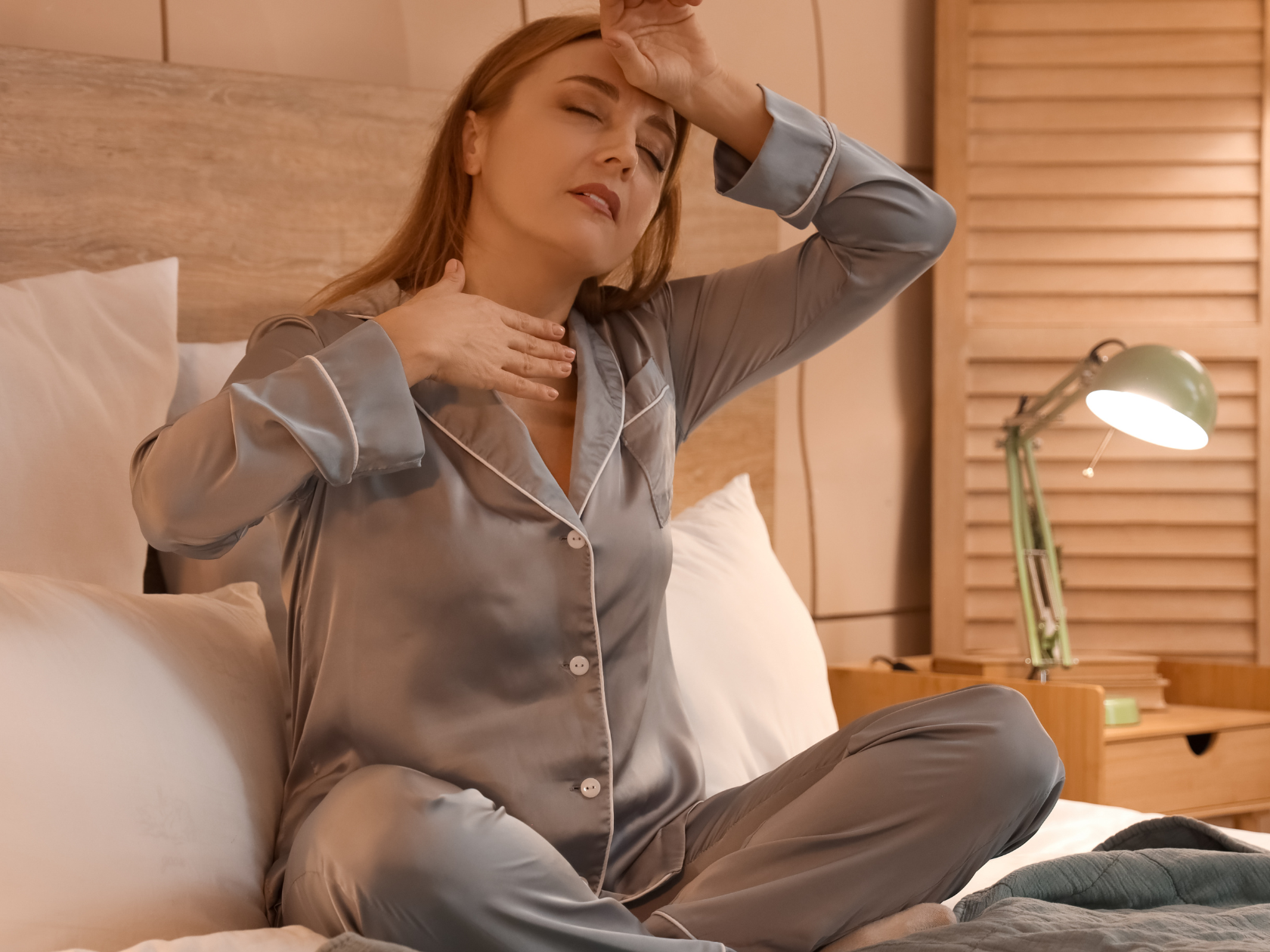
"It will pass in a few months." That is often what we hear when the first hot flashes arrive. And for some women, it's true. But for many others, they persist for years. So, how long should you expect to have them? And can you still have them at 60 or 65?
In our seriesGénération Péri, the pharmacistCarole Minker first, let's remember one thing: hot flashes affect 70 to 80% of women in perimenopause or menopause, but with very different frequencies and intensities. Their duration varies just as much.
How long do hot flashes last?
The most solid answer comes from theSWAN study, a major American study that followed women of different backgrounds for years. Among more than 1,400 women with frequent hot flashes, the median duration was 7.4 years. In other words, half of the women had them for less time, and the other half for longer.
The most striking result concerns when they start:
- when they begin early, during perimenopause, while periods are still present, they lasted 11.8 years on average;
- when they begin after menopausethey lasted 3.4 years on average.
This doesn't mean your hot flashes will necessarily last ten years if they start at 45. These are medians, and every woman is different. But it explains why some women still have them well after 55.
Menopausal hot flashes last for several years on average, not just a few months. Knowing this helps you avoid waiting for them to "go away on their own" before looking for solutions.
How old can you be when you still have them?
The average age of menopause in France is 51. With a median duration of over seven years, many women still experience hot flashes at 55 or 60. Some women continue to have them, in a milder form, past 60 or even later.
Over time, they generally become:
- less frequent;
- less intense;
- easier to anticipate, linked to specific triggers (heat, alcohol, stress).
There is no specific age limit at which they stop for everyone. If you have intense hot flashes that reappear or worsen long after your menopause, talk to your doctor to rule out other causes.
Why the duration varies so much from one woman to another
Several factors can play a role:
- when they start : the earlier they start in perimenopause, the longer they tend to last, according to the SWAN study;
- their initial intensity : frequent and intense hot flashes often last longer;
- stress and anxiety, which amplify the nervous system's response, as Carole explains;
- smoking;
- being overweight, which affects temperature regulation;
- background : the SWAN study observed differences in duration depending on the groups of women studied.
Lifestyle also plays a daily role: regular physical activity, protected sleep, and a balanced diet help you get through this period more easily, as gynecologist Odile Bagot also reminds us in our series Osée, ménopausée. Some of these factors are beyond your control. Others, such as stress, smoking, or physical activity, are levers you can pull.
Why they eventually stop
Carole explains that hot flashes are triggered by fluctuating estrogen levels, which disrupts the brain's thermostat. During perimenopause, these hormones are on a rollercoaster. After menopause, their levels gradually stabilize at a low point. The brain slowly adapts to this new balance, and the thermostat settles down.
This adjustment period varies from one woman to another: it depends on how hormones have fluctuated, the sensitivity of the nervous system, stress, or sleep. This is why the most "turbulent" phase is often the transition itself, and why hot flashes generally subside over the years.
What happens after stopping hormone therapy?
This is a common situation: a woman takes hormone replacement therapy for a few years, stops, and sees the hot flashes return. This is not a failure of the treatment. The treatment relieves symptoms as long as it is taken, but it does not necessarily "shorten" the period during which the body is sensitive to hormonal fluctuations.
A few guidelines if you are considering stopping:
- talk to your doctor beforehand to choose the right time and the right method;
- a gradual withdrawal is sometimes suggested to limit the return of symptoms;
- prepare alternative solutions : cold, calming the nervous system, or plants or supplements tailored to your medical history;
- check in a few months later to make adjustments if the hot flashes return intensely.
What if you have been experiencing hot flashes for a very long time?
Some women have had hot flashes for over ten years and eventually think there is nothing left to do. That is not the case. Solutions that did not work at the beginning of perimenopause may work better now, and new options are regularly becoming available. A new check-up with your doctor, or a discussion with your pharmacist, can open up other avenues.
Why you shouldn't just wait for them to pass
Seven years, eleven years: that's a long time. And hot flashes are more than just an inconvenience. They can:
- disrupt sleep for years, especially when they occur at night (read our article on night sweats) ;
- weigh on your professional life, concentration, and self-confidence;
- be accompanied by anxiety or a lower mood.
"Above all, don't just put up with it. It's not inevitable," insists Carole. There is a whole range of solutions, to be adapted to each woman and each stage.
Solutions for every stage
Daily habits
- Cold : Carole particularly recommends perineal cryotherapy (a cold gel pack, wrapped in a cloth, placed on the perineum) or a cold pack on the neck. She is not aware of any side effects or interactions.
- Lightweight clothing made of natural materials, a hand fan, a cool bedroom.
- Limit triggers : alcohol, coffee, spices, overheated rooms.
Calming the nervous system
Yoga, qi gong, exercise, meditation, breathing exercises, and heart coherence: all these practices stimulate the vagus nerve, which calms the chain reaction. Practice them regularly, not just during a hot flash.
Plants and supplements
Saffron, circulatory herbs, and phytoestrogen-rich plants: several options exist, each with different precautions. We detail them in our article on plants for hot flashes, and in the one on phytoestrogens.
Hormone therapy
This is the most effective treatment for intense hot flashes. Its duration and benefits should be regularly reassessed with your doctor, based on your age, symptoms, and medical history. If you are already on treatment and the hot flashes persist, you should also discuss this with them.
The most useful approach is often to combine several methods: simple daily habits, a practice that calms the nervous system, and, if needed, a more targeted solution chosen with a professional.
When should you consult a doctor?
- If your hot flashes keep you from sleepingor living a normal life.
- If they return or worsen long after menopause.
- If they are accompanied by fever, byheavy night sweats, byunexplained weight loss or palpitations.
- If you have a history of hormone-dependent cancer and are looking for a suitable solution.
For other possible causes, read our article on hot flashes without menopause. And to fully understand the mechanism, check out our guide on hot flashesand our content onmenopause.
Discover the episode with Carole Minker
Discover the Generation Peri series
Key takeaways
- Hot flashes last for several years on average: a median of 7.4 years in the SWAN study.
- When they start early, during perimenopause, they tend to last longer.
- Many women still experience them at 55 or 60, often in a milder form.
- They subside once hormones stabilize after menopause.
- No need to wait for them to pass: cold therapy, vagus nerve stimulation, plants, supplements, or hormone therapy can help you right now.
FAQ
How long do hot flashes last?
Several years on average: the median duration was 7.4 years in the SWAN study, with significant variations from one woman to another.
Can you have hot flashes at 60?
Yes. Some women continue to have them past 60, though generally less frequently and with less intensity. If they get worse, consult a doctor.
Do hot flashes stop suddenly?
Rarely. They usually become less frequent and decrease gradually as your hormones stabilize.
Why are my hot flashes coming back?
Stress, hot weather, stopping hormone therapy, or other health issues can trigger their return. Talk to your doctor if they start up again for no apparent reason.
Should you just wait for hot flashes to go away?
No. They can last for years; there are many solutions to help relieve them, which should be tailored with a professional.
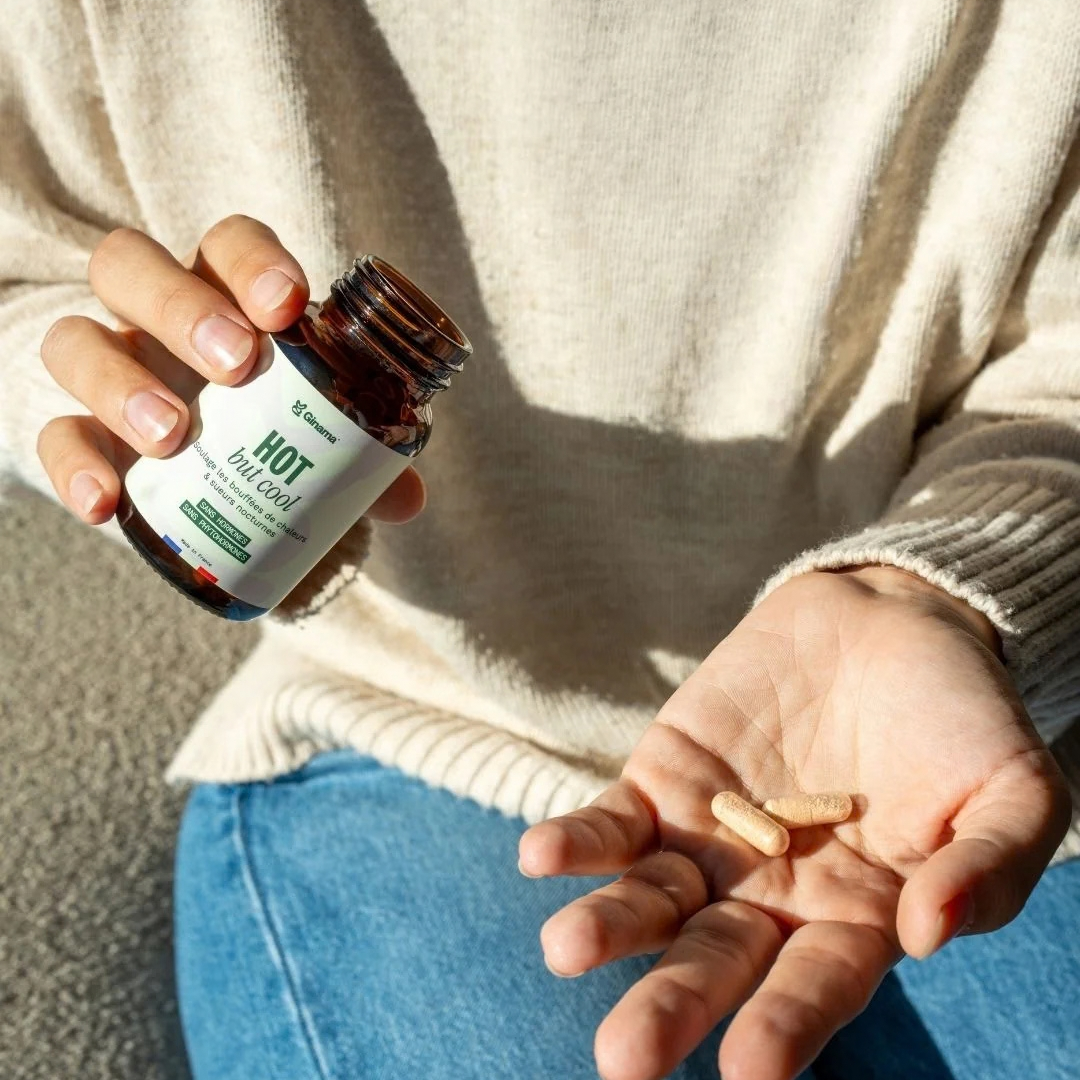
The information in this article is for educational purposes only and does not replace professional medical advice. The Génération Péri series is produced in partnership with Ginama. Before starting any treatment, herbal remedy, or supplement, talk to your doctor or pharmacist.
How long do hot flashes last?
Programs that could help
Les Séries Santé recommandés

Do we freeze our oocytes?
Le Rubis is the first podcast dedicated to egg freezing. I answer all your questions about this journey, I wonder about the emotional impacts of this approach and I give you the keys to take action , as long as it's your choice! If you asked yourself the question Once in your life, Le Rubis is made for you. Available only in French speaking.
I discover the Ruby