.png)
Improving oocyte quality naturally
Naturally improving the quality of your oocytes is possible, provided you act at the right time and in a consistent manner. Each oocyte takes about 90 days to reach maturity: this is a real window of action. A diet rich in antioxidants, stress management, restful sleep, gentle physical activity and the reduction of endocrine disruptors are the main levers. Supplements may be considered in some cases, but always after an assessment and medical advice. The aim is not perfection, but progress towards an environment that is more favourable to your fertility.


Melisande
Founder of Reflet 🫶
Publié le03.03.2026.png) Modifié le03.06.2026
Modifié le03.06.2026
You can absolutely improve the quality of your oocytes naturally, by adjusting certain lifestyle habits. Think of it as a project on Three months. This includes a diet rich in antioxidants, better stress management, truly restful sleep and gentle physical activity. In short, create an optimal environment for your eggs to reach maturity in the best possible conditions. This is an extract from our program dedicated to the natural improvement of oocytes, carried out with a pharmacist who is an expert in fertility and natural health. We recommend plants, tests to be carried out and concrete recommendations.
In short: how do you take action?
To naturally improve the quality of your oocytes, focus on these four pillars for at least 90 days:
- Targeted nutrition: Adopt a Mediterranean-style diet. Concrete example: Include a handful of berries (blueberries, raspberries), a portion of dark green vegetables (spinach, broccoli) and sources of good fats such as avocados or nuts every day. Limit refined sugars and industrial dishes as much as possible.
- Stress and sleep management: Aim for 7-9 hours of sleep per night in complete darkness. Actionable solution: Practice 5 minutes of cardiac coherence every morning (RespiRelax+ application) to regulate your cortisol.
- Moderate physical activity: The aim is to improve blood flow without exhausting your body. Concrete example: Plan 3 sessions of 30-45 minutes of brisk walking per week, or one gentle yoga session.
- Healthy environment: Reduce your exposure to endocrine disruptors. Actionable solution: Replace your plastic boxes with glass containers to store and heat your food. Opt for cosmetics and household products with simple and natural formulas.
Understand what really influences the quality of your oocytes
Let's dive right into the heart of the matter. For fertility, the quality of your oocytes is a much more decisive factor than their simple number. People often point the finger at age as the biggest culprit, but the reality is much more nuanced and, above all, much more encouraging.

Your lifestyle (from what's on your plate to how you manage stress) plays a huge and direct role in the health of your reproductive cells. Each oocyte lasts approximately 90 days to reach maturity. This period, folliculogenesis, is a real window of opportunity to act.
The famous 90-day window
Think of these three months as an intensive preparation phase. The habits you adopt today shape the quality of the oocytes that will be available in the coming months. It is during this cycle that oocytes are most sensitive to external influences, whether positive or negative.
Oxidative stress, for example, is one of the worst enemies of oocyte quality. We talk about this in detail in The series dedicated to oocyte quality. It is an imbalance caused by an excess of free radicals, these unstable molecules that damage our cells, including the so fragile DNA of oocytes. To fight it, your best allies are an anti-inflammatory diet and quality sleep.
The quality of your oocytes is often a reflection of your overall health over the last three months. Every small lifestyle choice can contribute to creating a healthier environment for their development.
Looking beyond age and ovarian reserve
It is crucial to differentiate between quantity and quality. Ovarian reserve, often assessed by AMH hormone levels, gives us an idea of how many oocytes are left. But it says absolutely nothing about their quality. To better understand the role of this hormone, you can also read our complete article on The AMH hormone in women.
Even as time goes by, you still have significant power to influence the viability of your eggs. This guide is just there to give you concrete and realistic levers, by deconstructing myths to focus on strategies that have proven to be effective in optimizing your reproductive health.
Food at the service of your fertility
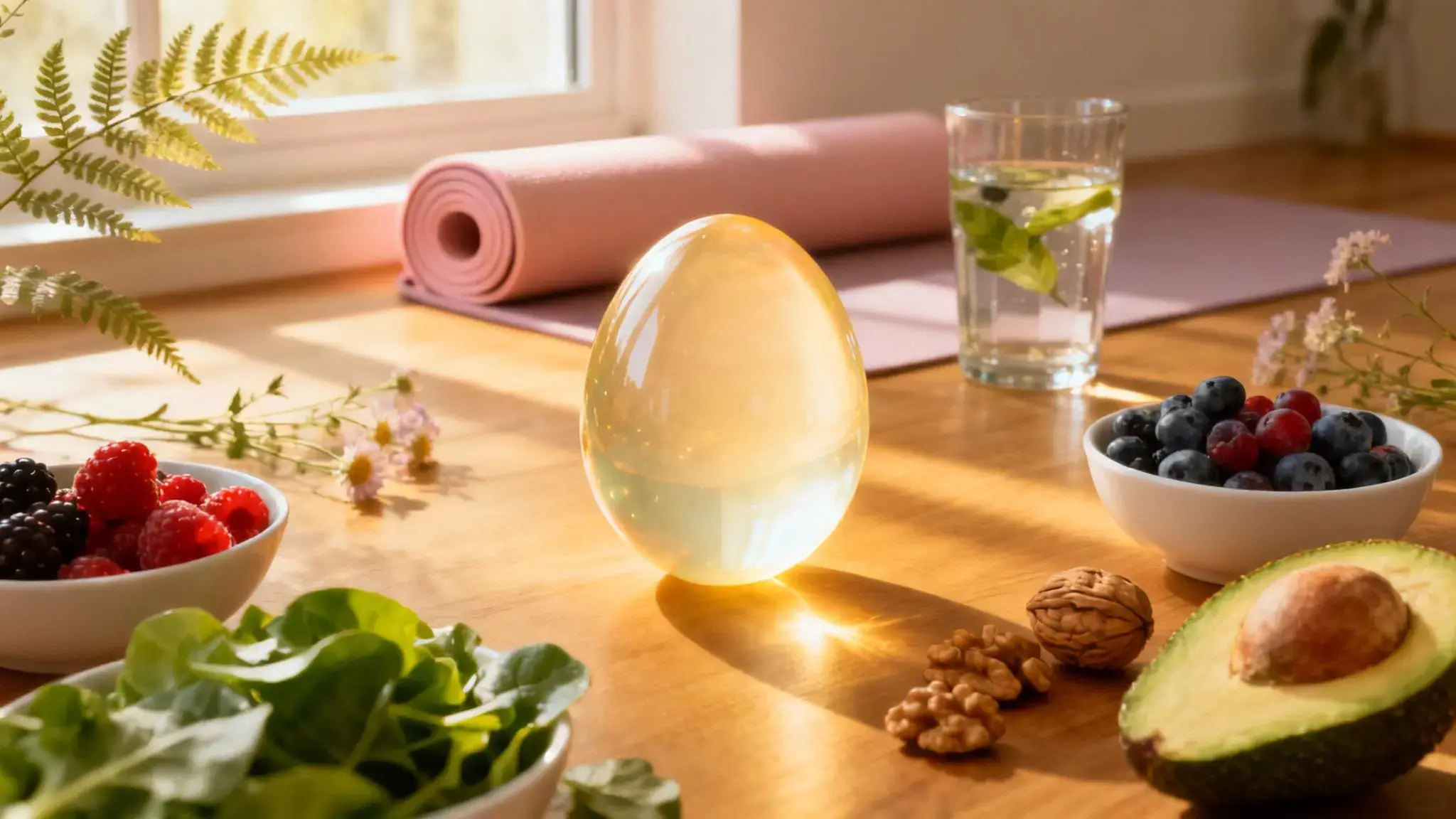
Your plate is one of the most powerful levers for improve the quality of your oocytes naturally. Far from restrictive diets and frustration, the idea is rather to adopt a diet that deeply nourishes your body, creating an ideal environment for the maturation of your eggs.
Think of your body as a garden. For a flower to flourish, it needs a rich, well-irrigated land that is free from attacks. It is exactly the same for your oocytes: they depend on a constant supply of high-quality nutrients in order to develop in a healthy way.
The most solid approach, validated by numerous studies, is that of the Mediterranean diet. This dietary model has been proven to reduce inflammation and combat oxidative stress, two sworn enemies of oocyte quality. Concretely, what does that mean? Give pride of place to fresh, whole and colorful foods.
The pillars of a pro-fertility diet
Eating a diet that supports your fertility doesn't mean changing everything overnight. It is a gradual process. Start by gradually integrating these few basic principles into your daily life.
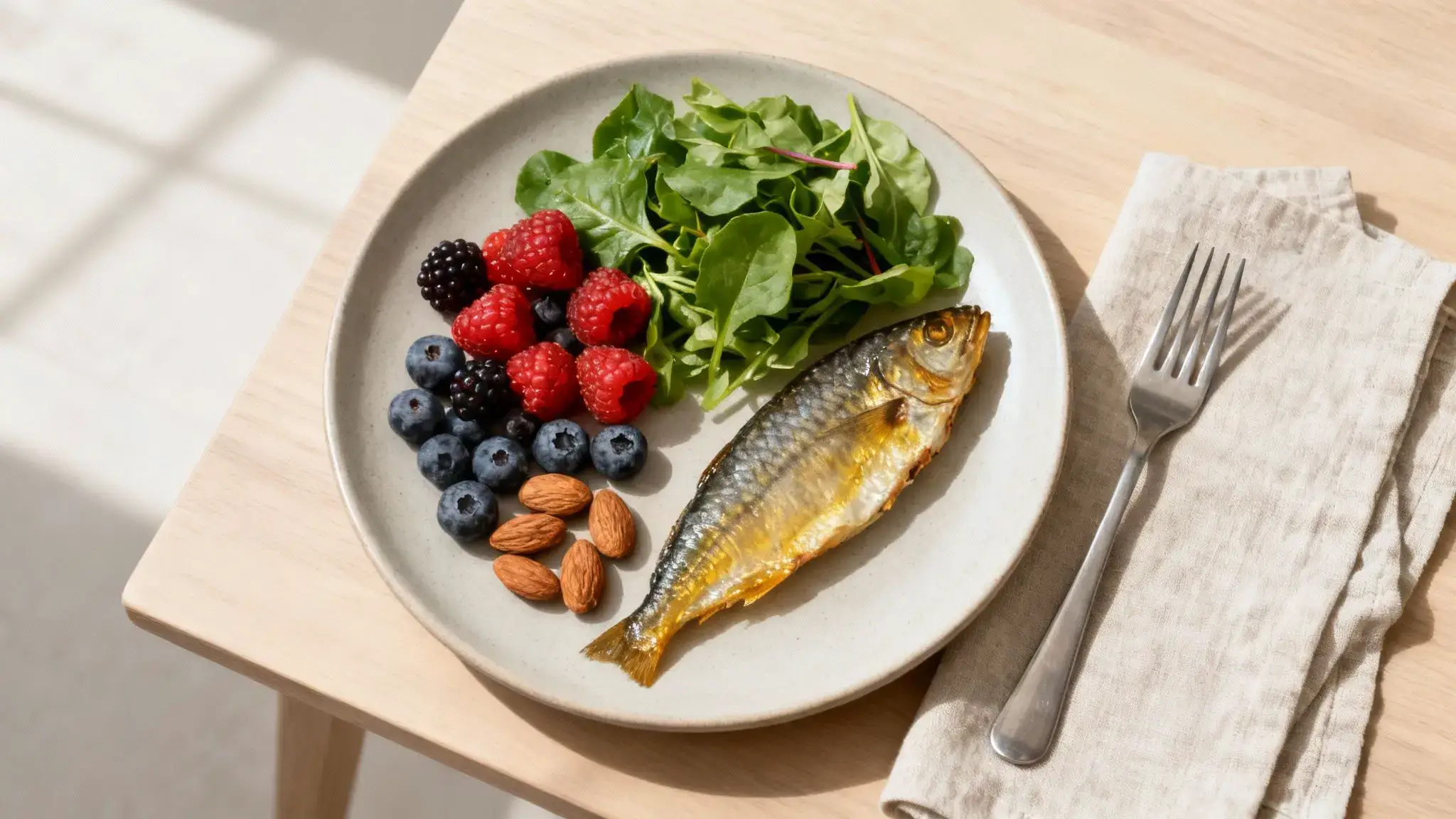
- Focus on antioxidants: Think of them as the bodyguards of your cells. They neutralize the famous free radicals that can damage the fragile DNA of your oocytes. Concrete action: Add color to your plate with berries, green leafy vegetables (spinach, kale), bell peppers, tomatoes or even beets.
- Choose good fats: Fatty acids Omega-3 are fundamental for the health of the cell membranes of your oocytes. Concrete action: Add small fatty fish (sardines, mackerel) 2 to 3 times a week, and sprinkle salads with chia seeds, ground flaxseeds or walnuts. Avocados and good extra virgin olive oil are also excellent sources.
- Do not overlook quality proteins: Proteins are the building blocks of your body. Concrete action: Consider varying the sources by including lentils, chickpeas, eggs from free-range chickens, organic chicken and fish.
On the other hand, some foods can create an inflammatory environment that directly affects the quality of your oocytes. It is therefore smart to limit refined sugars (sodas, industrial pastries), ultra-processed foods (prepared meals, aperitif cookies) and trans fats as much as possible, which are hidden in many industrial products.
The Reflet advice: Don't aim for perfection, but for progress. If you struggle with green vegetables, simply try adding a small portion to your breakfast each day. Each small step is a victory that contributes to improving your terrain in the long term.
To go further and pick up practical tips, do not hesitate to consult our complete guide on the link between Feeding and female fertility.
Key nutrients and where to find them
Beyond the main dietary principles, certain micronutrients play a particularly strategic role. They act as targeted “boosters” to support the maturation process of your eggs.
The Coenzyme Q10, for example, is essential for the production of energy at the heart of your cells, in the mitochondria. With age, our CoQ10 levels tend to drop, which can impact oocyte vitality. For its part, the Vitamin D, often referred to as the “sun hormone”, is involved in a multitude of hormonal processes essential for reproduction.
To see more clearly, here is a table that summarizes the essential nutrients, their role and the foods where you can easily find them.
Essential nutrients for quality oocytes
Key NutrientIts Role for the OocyteMain Dietary SourcesCoenzyme Q10Protects mitochondria from oxidative stress and improves cellular energy production.Meats (especially organ meats such as heart), fatty fish (sardines, salmon), pistachios, broccoli.Vitamin DEssential for hormonal balance, it influences the quality of oocytes and the chances of pregnancy.Sun exposure, fatty fish (herring, mackerel), cod liver oil, egg yolk.Folic acid (B9)Essential for DNA synthesis, it reduces the risk of chromosomal abnormalities. Green leafy vegetables (spinach, Romaine lettuce), lentils, asparagus, asparagus, broccoli, avocado.ZincPlays a crucial role in cell division and egg maturation.Oysters, squash seeds, beef, lentils, cashews.SeleniumA powerful antioxidant that protects ovarian follicles from oxidative damage.Brazil nuts (only one per day is enough), tuna, sardines, eggs, eggs, sunflower seeds.
This chart is a great starting point for diversifying your diet and making sure you're getting everything your body needs.
Example of a typical fertility day
To help you visualize what this can mean in concrete terms, here is a simple menu idea optimized for one day.
- Breakfast: A bowl of full-fat Greek yogurt with a handful of berries (raspberries, blueberries), a tablespoon of chia seeds, and a few almonds.
- Breakfast: A great salad made with fresh spinach, grilled salmon, grilled salmon, avocado, squash seeds, all drizzled with olive oil and lemon.
- Snack: An apple with a spoonful of almond purée or simply a handful of walnuts.
- Dinner: A coral lentil curry with broccoli and brown rice, seasoned with turmeric (a super anti-inflammatory).
This approach, combined with good hydration throughout the day, gives your body the tools it needs to prepare the highest quality oocytes possible.
Managing stress and prioritizing sleep
Chronic stress and poor sleep aren't just annoyances. They are real hormonal disruptors that can directly affect the quality of your oocytes, an element that is so precious for your fertility. Taking them into account in your strategy is simply non-negotiable.

When you're under constant pressure, your body starts to produce excess cortisol. The problem is that this “stress hormone” can interfere with the production of estradiol, a key hormone for the proper development of your ovarian follicles. The result? The maturation cycle of your oocytes can be slowed down or even altered.
It's not just a theory. Stress creates an environment of oxidative stress that weakens your cells, even in young and fertile women. A surprising observation among oocyte donors in France illustrates this well: about a third of them, however young (average age of 31.8 years) and with no known fertility problems, respond poorly to stimulation treatments. This highlights the role of invisible factors like stress, which we can thankfully learn to manage.
Integrate simple anti-stress practices
Countering the effects of stress does not mean revolutionizing everything overnight. The idea is rather to incorporate small bubbles of calm into your days to lower the pressure and calm your nervous system.
Some concrete and accessible tools:
- Cardiac coherence : It is an ultra-simple breathing technique (5 seconds of inspiration, 5 seconds of exhalation, for 5 minutes) with an almost immediate effect on the regulation of cortisol. Concrete action: Use free apps like RespiRelax+ to guide you, 3 times a day.
- A few minutes of meditation : No need to sit in lotus for an hour. Concrete action: Start with 5 minutes each morning using an app like Petit BamBou or simply by focusing on your breath.
- Soft yoga or stretching : Practices like Yin Yoga or Hatha are excellent for relieving physical and mental tensions. It's a great way to get back to a better hormonal balance.
Finding an activity that allows you to “clear your head” is just as essential. Immerse yourself in manual activities to disconnect can be a great escape.
A relaxed body and a peaceful mind create a hormonal environment that is much more favorable to the maturation of quality oocytes. Every minute you allow yourself to decompress is a direct investment in your fertility.
Making sleep a top priority
Sleep is your number one ally for cell regeneration. It's at night that your body repairs itself, regulates its hormones, and fights inflammation. Poor or too short sleep disrupts melatonin production. However, this hormone is not only used to sleep: it is also a powerful antioxidant that protects your oocytes.
Turning your bedroom into a sanctuary of rest is a key step.
How to take action?
- Establish a relaxing routine : One hour before going to sleep, turn off all screens. The blue light they emit slows the production of melatonin. Prefer reading, a hot bath, soft music, or a few light stretches.
- Optimize your room : Make sure the room is completely dark, cool, and quiet. Blackout curtains, a sleep mask, and earplugs can make a huge difference.
- Adopt regular schedules : Try to go to bed and wake up at the same time every day, even on weekends. This consistency helps to synchronize your body clock, which improves the overall quality of your sleep.
By making stress management and the quality of your sleep the pillars of your daily life, you are offering your body the ideal conditions for the delicate process of oocyte maturation to take place in the best possible way.
Move just and clean up your environment
While food is a pillar, other aspects of our daily lives also weigh in the balance. Think of it as a balance to be found: on the one hand, an active, well-irrigated body, and on the other, an environment that is as healthy as possible, far from chemical substances that can interfere with our hormonal system.
The idea is not to revolutionize everything, but to adjust the slider on two powerful and complementary levers: physical activity and our exposure to toxic substances.
Finding the right balance with adapted physical activity
Physical activity is a bit like the sun: essential, but in moderation. Regular and gentle exercise is a great ally for your fertility. Why? Because it improves blood flow, including to the ovaries. Better blood flow means a better supply of oxygen and nutrients for follicles that are growing slowly.
On the other hand, overtraining or too intense a practice can have the opposite effect. Excessive sports can be perceived by the body as a major stress. The result: Cortisol skyrockets and ovulation can be disrupted. The objective is not performance, but well-being and consistency.
Which activities should be preferred?
- Fast walking: It is the gentle activity par excellence. 30 to 45 minutes, 3 or 4 times per week, are enough to activate the circulation without exhausting the body. Easy to incorporate into your schedule!
- Yoga or Pilates: These practices are great. They help manage stress, improve flexibility, and strengthen deep muscles, all while promoting better hormonal balance.
- Swimming: A complete sport that makes the whole body work gently, without any impact on the joints.
What could a balanced routine over the week lead to?
- Monday: 45 minutes of brisk walking in the open air to get some fresh air.
- Wednesday: 1 hour of gentle yoga to refocus.
- Friday: 30 minutes of swimming or some Pilates exercises at home.
- Week-end: A beautiful walk in nature, without pressure.
The most important thing? Listen to your body. If you're feeling tired, a gentler session or simple stretching will do the trick.
Limiting exposure to endocrine disruptors
This subject, which is often underestimated, is nevertheless absolutely crucial. Les endocrine disruptors are chemical substances that are found almost everywhere in our daily lives. Their problem? They can imitate our hormones, block their action or disrupt their production. In other words, our reproductive system does not like it at all.
They are found in many products: plastics, cosmetics, household products, and even in our food because of pesticides. Reducing your exposure may seem like a mountain, but a few simple actions are already making a real difference.
Here's where to start, in concrete terms:
- In the kitchen: Gradually replace your plastic containers with glass, stainless steel or ceramic. This is especially true when it comes to reheating food. The golden rule: never heat plastic in the microwave.
- In the bathroom: Get in the habit of looking at the labels on your beauty products. Choose short ingredient lists, organic labels, and avoid phthalates, parabens or triclosan.
- On the plate: Go organic as much as possible, especially for fruits and vegetables that are most exposed to pesticides (the famous “dirty dozen” list).
- For cleaning: Get back to the basics! White vinegar, baking soda or black soap are powerful and natural allies.
The water we drink and use is also important. The quality of tap water can be a source of exposure to certain toxins. To go further, you can find out about solutions such as filtering shower heads, which help reduce the presence of certain unwanted elements.
By combining gentle and regular physical activity with a conscious reduction in your toxic load, you are creating a much healthier internal environment. It is the ideal breeding ground for the development of high quality oocytes.
When should you think about dietary supplements?
After getting your plate in order, managing stress and your environment, the question of dietary supplements often comes up. They can be a real boost for improve oocyte quality naturally, but you have to see them for what they are: targeted support, not a magic bullet.
The approach must be thoughtful and, above all, personalized. Taking capsules “just in case” is rarely a good strategy. The starting point is always the same: a blood test, prescribed by your doctor. This is the only way to know if there are real deficiencies to be filled and to avoid unnecessary or, worse, counterproductive dosages.
Supplements that have been proven to work
Some nutrients have been studied more than others for their role in oocyte health. In general, their mission is to protect oocytes from oxidative stress or to support energy production at the heart of the cell.
- Coenzyme Q10 (in ubiquinol form) : Think of it as the superfuel for your cells. It is vital for the proper functioning of mitochondria, the oocyte's small energy factories. A high-quality oocyte needs a phenomenal amount of energy to mature and divide properly. The problem is that as we age, our natural production of CoQ10 decreases.
- Myo-inositol : Particularly interesting in the context of PCOS, this active ingredient helps to improve insulin sensitivity and to put hormonal cycles in order. It has shown really positive effects on oocyte quality and the chances of pregnancy, especially in women affected by this syndrome.
- Vitamin D : It is much more than a simple vitamin, it behaves like a real hormone. A deficiency, which is extremely common in our latitudes, can upset the entire hormonal balance and, in turn, impact oocyte maturation.
The key tip: Never engage in solo supplementation. It is essential to discuss it with your doctor or a specialized health professional to define a strategy that really fits your situation.
The importance of a tailor-made approach
This conversation with your doctor is also a perfect time to discuss other tests that may be relevant. An AMH hormone test, for example, can give you an idea of your ovarian reserve. Attention, this number does not say anything about the quality oocytes, but it can help guide the overall strategy.
In France, we know that spontaneous fertility starts to decline as soon as 30 years, with a sharper fall after 37 years. This is mainly due to the decrease in the quality and quantity of oocytes. Procedures such as the Fertility Check Up precisely make it possible to make a complete inventory in order to then adapt lifestyle recommendations. To go further, you can consult the data of the National Consultative Ethics Committee on this subject.
It is really by combining the results of your analyses, your personal history and your habits that you can implement intelligent supplementation. For those who want to delve deeper into the subject, our video program Good oocytes explores in detail the role of the main supplements for oocyte quality.
In practice: your action plan for the next 90 days
Together we explored the different levers for naturally improve the quality of your oocytes. Now, it's time to turn this information into a concrete action plan. Remember that famous window of 90 days : it is the time necessary for an oocyte to reach full maturity. So it's the perfect amount of time to set up new habits and start seeing the benefits.
The idea is not to revolutionize everything overnight, but to move forward step by step, gently and kindly. Perfection is not the goal; it's the progression that counts. Choose two or three actions from the list below, the ones that speak to you the most, and commit to doing them for the next three months.
Your checklist to take action
To make things easier for you, here is a list of simple actions, organized around the essential pillars we've seen.
- On your plate:
- Action: Add a handful of red fruits and a portion of dark green vegetables to your meals each day.
- Action: Incorporate small fatty fish, such as sardines or mackerel, twice a week.
- Action: Replace your plastic containers with glass alternatives, especially when it comes to reheating your food.
- Action: Practice 5 minutes of cardiac coherence every morning upon waking up.
- Action: Set up a “screen-free hour” before bed to let your melatonin do its work.
- Action: Block out one evening per week for an activity that really energized you (a good book, a hot bath, a gentle yoga session).
- Action: Plan three sessions of 30 minutes brisk walking per week.
- Action: Replace a conventional cosmetic product with a natural and organic alternative.
- Action: For cleaning, use white vinegar and baking soda instead of chemicals.
Every little effort is a direct investment in your reproductive health. Even the smallest change, if maintained over time, can create an environment that is more conducive to the development of quality oocytes.
The importance of an informed and supported approach
Before you start taking dietary supplements, it is crucial to follow a structured approach. A personalized and safe approach is key.
This process is a reminder of the obvious: a blood test and medical advice are essential prerequisites before starting supplementation. This is the only way to ensure that your choices are perfectly aligned with your real needs.
This approach is all the more important as oocyte quality is a key factor, even in assisted reproduction treatments. In France, the birth rate with fresh oocytes is around 49%, against 41% for vitrified oocytes. This difference shows that the freezing process can have an impact, making efforts to naturally optimize oocyte health even more valuable. To go further, you can consult the detailed statistics on this subject.
Above all, remember that you are not alone. Platforms like Reflet support you to transform this knowledge into concrete actions, with programs designed by experts. Every step you take today is a step towards better reproductive health.
Frequently asked questions
We often have a lot of questions about the quality of oocytes, especially when we are in the middle of a baby project. Here are some clear answers to help you.
How long will it take for me to expect results?
To see real change, it takes about three months. It is the famous cycle of 90 days what is needed for an oocyte to reach maturity.
This period is your window of action. Every good habit you get into during this term creates a healthier environment for your oocytes to develop. Patience and consistency are your best allies; every little effort sets the stage for the future.
Think of these 90 days as training for a marathon. It's not the first outing that makes the difference, but the consistency of preparation that leads to victory. Regularity always pays off.
Is it still worth it after 40?
Absolutely. It is entirely possible to have a positive impact on the quality of your oocytes, even after 40 years. Age is a factor, it's true, and ovarian reserve naturally decreases. However, the quality of the remaining oocytes is not fixed and can be optimised.
This is where your lifestyle becomes decisive. By choosing a diet rich in antioxidants, by learning to manage your stress and by limiting your exposure to toxic products, you are offering your oocytes the best possible conditions to mature. It doesn't matter how old you are.
If I need to start somewhere, what are the 3 priorities?
Sometimes you feel a bit lost in the face of all that there is to do. If you're not sure where to start, focus on these three actions that have a major impact:
- Focus on a Mediterranean-style diet. Fill up on antioxidants with red fruits, plenty of green vegetables, and good fats such as avocados or small fatty fish.
- Make sleep a top priority. Try to sleep between 7 and 8 hours per night, in a very dark and cool room. It is while you sleep that your body repairs itself and your hormones are regulated.
- Walk for 30 minutes every day. Gentle activity like brisk walking improves blood flow to the ovaries without creating unnecessary stress on your body.
Chez Reflet, our mission is to translate this scientific knowledge into concrete actions adapted to your situation. To go further and regain control over your intimate health, discover our programs on www.reflet.co/en.
Can you really improve the quality of your oocytes naturally?
Programs that could help

Les Séries Santé recommandés


Do we freeze our oocytes?
Le Rubis is the first podcast dedicated to egg freezing. I answer all your questions about this journey, I wonder about the emotional impacts of this approach and I give you the keys to take action , as long as it's your choice! If you asked yourself the question Once in your life, Le Rubis is made for you. Available only in French speaking.
I discover the Ruby.webp)
.png)
.png)


.png)


